
"Ethiopian natural process"
1000 article(s) found

Different flavors of Ethiopian Coffee Flavor and Taste introduction to the characteristics of Fine Coffee beans in Manor area
In February 1977, Lieutenant Colonel Mengistu Haier Maryam (MENGISTU HAILE MARIAM) launched a military coup and served as Chairman of the interim military Administrative Council and head of State. In 1979, the Ethiopian Labor people's Party Organization Committee, dominated by soldiers, was established to implement an one-party system. In 1984, the Ethiopian Workers' Party was formed according to the Soviet Communist Party model. Mengistu, September 1987

Introduction of Sidamo coffee beans growing in Ethiopia's southernmost Ethiopian plateau
Sidamo / Solar, Natural drying or washing (Sundried or Nature Dry-Processed and Washed) grows in the southernmost Ethiopian Plateau between 4600 and 7200 feet above sea level (Sidamo Province), southeast of Jima, just south of the capital, usually sweet and more popular, its annual output is about 225000bags/60kg, the bean body is smaller and greener than Longberry.

"acidity", "quality" and "flavor" of Ethiopia's Bancimagi Coffee Manor
Ethiopia is the birthplace of the famous Arabica coffee beans, and people have always maintained the tradition of harvesting wild coffee beans. The coffee garden at an altitude of more than 1500 meters has formed a unique coffee style after thousands of years of evolution and adaptation. Ethiopian coffee grown in the natural wild environment is called wilderness coffee, which retains the most primitive and natural taste of coffee beans.

Ethiopian ancient jihambela coffee is Ethiopian Humbela coffee good?
Professional coffee knowledge exchange more coffee bean information please follow the coffee workshop (Wechat official account cafe_style) Humbera ALAKA LOT, Ethiopia-organic Ethiopian Humbera real estate Alaca lot-natural processes, organic aromas including watermelon, flower, peach and sticky END
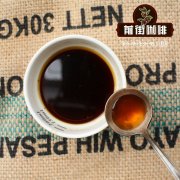
Ethiopian coffee mural Ethiopian rambutan flavor Taste
Professional coffee knowledge exchange More coffee bean information Please pay attention to coffee workshop (Weixin Official Accounts cafe_style) Hambella Manor is located in Guji District, which is one of several important development trends in Ethiopia in recent years. Shakisso is a well-known example. Hambera Manor, 2,150 m above sea level, retains primeval forest in natural balance with the environment

An introduction to the estates of Ethiopian coffee-producing areas with the natural conditions for growing coffee
Sustainable coffee culture Ethiopian coffee beans grow in close to the natural environment, after years of planting under the same growth conditions, Ethiopian coffee beans have gradually adapted to the environment here. More than 60% of coffee beans are grown in forests or semi-forests. The villages that grow coffee in large areas account for about the total amount of coffee produced in the country.

Introduction to Fine Coffee in Ethiopian Coffee Variety producing area and Flavor Manor producing area
In February 1977, Lieutenant Colonel Mengistu Haier Maryam (MENGISTU HAILE MARIAM) launched a military coup and served as Chairman of the interim military Administrative Council and head of State. In 1979, the Ethiopian Labor people's Party Organization Committee, dominated by soldiers, was established to implement an one-party system. In 1984, the Ethiopian Workers' Party was formed according to the Soviet Communist Party model. Mengistu, September 1987

In the first match of Ethiopia, COB got a good score of more than 90 points with three beans in the first match.
Despite the economic, social and logistical disruptions in the past few months, the first-ever Ethiopian Cup of Excellence was the first winner. The 28 winning coffees, including the top three with more than 90 points, will be auctioned online on June 25. Although all award-winning coffee growers can celebrate this achievement, through the Ethiopian Coffee and Tea Authority

Ethiopian coffee production methods how Ethiopian coffee is produced sustainably
Ethiopian coffee production methods Ethiopian coffee is usually produced in a sustainable manner, mostly as garden coffee. This means that it is planted by farmers near their houses and is often intercropped with other plants. It is also common for producers to grow coffee in the semi-forest system. In the semi-forest system, the natural forest is transformed and trimmed.

Flavor description of fermentation process of Ethiopian Coffee washing method
Flavor description of the fermentation process of Ethiopian coffee washing method 1 peel and pulp (Skin/Pulp): the outermost layer of coffee beans is wrapped in berry-like peel and pulp. In addition to the natural sun method, coffee beans treated by other methods must remove the skin and flesh within a few hours after picking. It is similar to the cherries we often eat, but the difference is that I
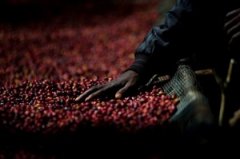
The hometown of coffee in eastern Africa, Ethiopian boutique coffee beans.
Ethiopia Coffee producing area: the full name of the Federal Democratic Republic of Ethiopia (formerly known as Abyssinia) is a country located in northeast Africa. English name: The Federal Democratic Republic of Ethiopia, Ethiopia is the country of origin and hometown of coffee. The most famous coffee beans in Ethiopia are Yega Xuefei and Harald.

What are the quality characteristics of Essel coffee beans? what is the difference in flavor between Yega Xuefei washing and sun treatment?
Professional coffee knowledge exchange more coffee bean information please follow the coffee workshop (Wechat official account cafe_style) front street-Ethiopia coffee ranking, washing, sun exposure brief introduction with unique natural conditions in Ethiopia, suitable for growing all imaginable coffee varieties. Esseobi

An introduction to the unique taste of Ethiopian coffee and the characteristics of fine coffee in the manor area.
Haile Selassie was made regent in 1916 and became king in 1928. On November 2, 1930, he was crowned Emperor Haile Selassie I. In 1936, Italy invaded again, occupied Addis Ababa, conquered Ethiopia, and Selassie went into exile in London. The allies defeated Italy in 1941 and Selassie I returned home on May 5 of the same year. After the domestic coup in 1974

Introduction to the characteristics of Ethiopian Coffee Brand Flavor description in the Top Ten Coffee producing countries
Yega Xuefei is a small town, 700-2100 meters above sea level, synonymous with Ethiopian boutique coffee. It has been a wetland since ancient times. The ancient saying "Yirga" means to settle down and "Cheffe" means a wetland. The mode of production and flavor of coffee here are so outstanding that Ethiopian coffee farmers compete to be proud of the flavor of their coffee, making it the best in Africa.

Ethiopian Coffee Ted Manor Flavor description Variety characteristics of High-quality Coffee beans
The coffee market regulatory body in Ethiopia is the Ethiopian Coffee and Tea products Administration. There are two auction centers in the country, one in the capital Addis Ababa (Addis Ababa) and the other in Dire Dawa in eastern Ethiopia. Coffee growers bring fresh fruit or to private coffee processing plants or cooperative coffee washing stations

Ethiopian Yega Chuefei Coffee Baking parameters Ethiopian Yega Chefe Flavor
Professional coffee knowledge exchange more coffee bean information please follow the coffee workshop (Wechat official account cafe_style) Ethiopia Natural Yirgacheffe Chelelektu Ethiopian coffee beans Yega Xuefei figure G01 | production area profile unique geographical environment Yirgacheffe is a small town in Ethiopia, 1700-2100 meters above sea level.

Flavor description of Ethiopian Harald coffee beans taste characteristics of Ethiopian coffee beans
For more information on coffee beans, please follow Coffee Workshop (Wechat official account cafe_style) Harrar, a wild Arabica growing up on small farms 1400-2000 meters above sea level in the Oromia area (formerly Harrar). It is a typical natural processing. Harrar is famous for its rich taste and acidity. Rich in taste, with intense blueberries or

Coffee Flavor description of Ethiopian Coffee Manor Coffee Flavor description of roasting degree Price planting Environment
Ethiopian coffee beans grow in close to the natural environment, after years of planting under the same growth conditions, Ethiopian coffee beans have gradually adapted to the environment here. More than 60% of coffee beans are grown in forests or semi-forests. Large-scale coffee-growing villages account for about 35% of the country's total coffee production. Many of these are used.

Ethiopian Coffee | what coffee beans are used for hand-made coffee | Yejasuefei Omar-Abedu
Professional coffee knowledge exchange more coffee bean information please follow the coffee workshop (Wechat official account cafe_style) Ethiopian coffee recommendation | Qianjie coffee boutique hand-brewed coffee beans-sun red cherries | Sidamo Sakuran Ethiopia sunburn Yega Feivina fruit town Oma-Abedu processing plant G1 cup test 95 points (Ethiopia Yirgacheffe Wanago Oume
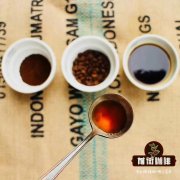
Are Ethiopian coffee beans suitable for hand brewing? How do Ethiopian coffee taste good?
Professional coffee knowledge exchange more coffee bean information please follow the coffee workshop (Wechat official account cafe_style) Ethiopia Jima Akmanu calendar solarization (organic certification) Ethiopia Jimma Akmel Nuri natural (organic certificated) producer: Ethiopia Ethiopia producing area: Limu Kosa; Jima Jimma producer